
When patients think about recovery, they often focus only on one thing: pain. That makes sense. Pain is usually the reason they are seeking treatment. But real recovery involves more than a number on a scale. It involves movement, sleep, work tolerance, exercise capacity, confidence, and the ability to return to meaningful daily activity.
At ATL Regen, we encourage patients to think about recovery as a plan rather than a vague hope. The more specific the goal, the easier it becomes to judge whether treatment is actually helping and what should happen next.
Why vague recovery goals create frustration
When patients say they just want to feel better, the intention is understandable, but it is too broad to guide good decision-making. A patient may feel 20% better and still feel disappointed because the improvement was never translated into functional terms.
That is why recovery goals should be more specific. The patient should know what matters most: walking with less pain, sitting through work, sleeping through the night, lifting without a flare, returning to sport or exercise, or avoiding surgery if appropriate.
Recovery starts with diagnosis
A good recovery plan still depends on knowing what is being treated. Patients do not recover well when the pain generator is misunderstood. That is why ATL Regen starts by asking what structure is most likely driving the pain, how well the imaging matches the symptoms, and what the patient is trying to get back to.
Short-term versus long-term goals
Recovery usually works best when goals are separated into phases. Short-term goals may include reducing flare intensity, improving sleep, increasing range of motion, tolerating work or sitting better, and resuming light activity safely. Long-term goals may include returning to exercise or sport, restoring work tolerance, reducing recurrence, improving confidence with movement, and delaying or avoiding surgery when appropriate.
This phased approach helps patients see progress more clearly and reduces the feeling that everything depends on one big breakthrough.
Why function matters as much as pain
Pain reduction matters, but function often matters more. A patient may still feel some pain yet be much better off if they can walk farther, sleep better, work more comfortably, drive without major flares, or exercise with confidence. These are major quality-of-life gains. Recovery should not be judged only by whether pain completely disappears.
Why setbacks are part of the process
Many patients lose confidence when they have a setback. A bad week after a better month can make it feel like nothing is working. But chronic pain recovery is rarely perfectly linear. Setbacks can happen because of overuse, poor sleep, stress, or loading mistakes. The more useful question is what triggered it, how long it lasted, and whether function is still better overall than it used to be.
Non-surgical care and recovery planning
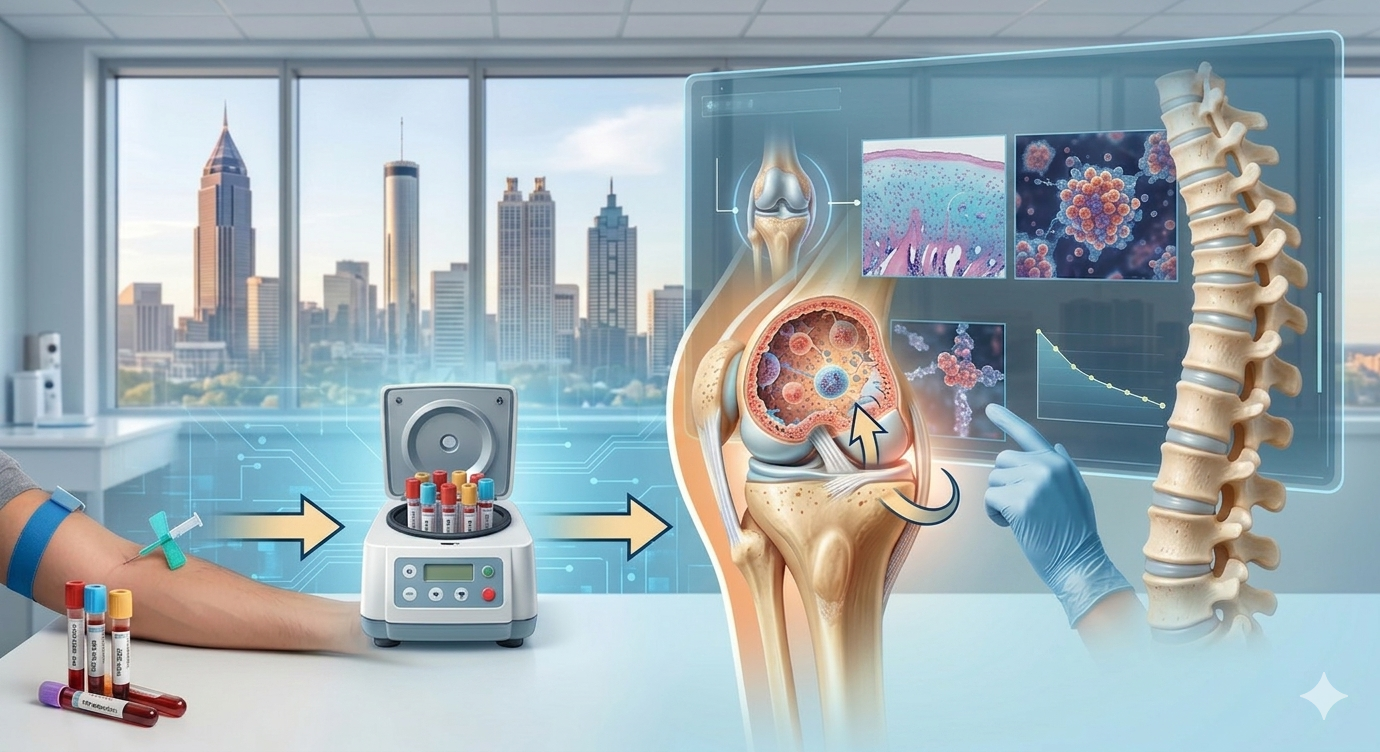
ATL Regen helps patients build recovery plans around non-surgical treatment options when appropriate. Depending on the diagnosis, that may include physical therapy, image-guided procedures, regenerative treatment such as PRP in selected cases, treatment of overlapping muscle and joint contributors, and activity modification with graded return to function.
Why not every patient needs the same timeline
Recovery timelines vary because patients vary. Differences in age, diagnosis, symptom duration, tissue quality, prior treatment history, and overall health all matter. That is why ATL Regen avoids overly rigid promises. Better recovery planning is honest about variability while still giving patients structure and goals.
Why pain-free is not the only meaningful endpoint
Some patients achieve full pain resolution. Others do not become entirely pain-free but still recover a great deal of function and quality of life. A patient who can sleep, walk, work, and enjoy life again has experienced meaningful recovery even if occasional symptoms still exist. This is not lowering the bar. It is being more realistic and more useful in how improvement is defined.
Schedule a consultation
If you are ready to think about recovery more strategically, ATL Regen can help you identify the pain source, define realistic functional goals, and determine whether non-surgical treatment fits the next phase of your care.