
Patients with chronic lower back pain often ask a simple question: Will one injection be enough? It is an understandable question. When someone has been dealing with months or years of pain, they want a clear answer and a clear plan. But the reality is that lumbar pain is often more complex than a one-step solution.
At ATL Regen, we look at chronic lower back pain as a condition that sometimes requires a staged treatment strategy. That does not mean every patient needs repeated procedures. It means some lumbar pain patterns are driven by chronic inflammation, nerve irritation, disc-related pathology, or multiple pain generators that do not fully settle after a single intervention.
Why lower back pain is so complex
The lumbar spine supports body weight, absorbs force, and allows movement during standing, walking, bending, lifting, and rotation. Because it does so much, there are many potential sources of pain: disc-related pain, lumbar radiculopathy or sciatica, facet-related pain, ligamentous or soft tissue strain, sacroiliac involvement, myofascial guarding and trigger points, and mixed mechanical and inflammatory pain.
A patient may arrive saying, "My back hurts," but that description only scratches the surface. The real goal is to identify whether the main pain generator is a disc, a nerve root, a joint, a muscular compensation pattern, or more than one of these at the same time.
Why some patients do not fully respond to a single treatment
There are several reasons one treatment may not be enough. Long-standing pain is usually more biologically and mechanically entrenched than fresh pain. The body has had time to build compensation patterns, ongoing inflammation, and sensitivity around the injured area.
There may also be more than one pain generator. A patient with lumbar radiculopathy may also have facet irritation and myofascial pain. Treating only one layer of the problem may help, but not fully resolve symptoms.
Healing also takes time. Biologic treatments such as PRP are not designed as instant numbing solutions. Their role is to support healing processes, and those processes often unfold over weeks, not hours.
What PRP is and how it is used
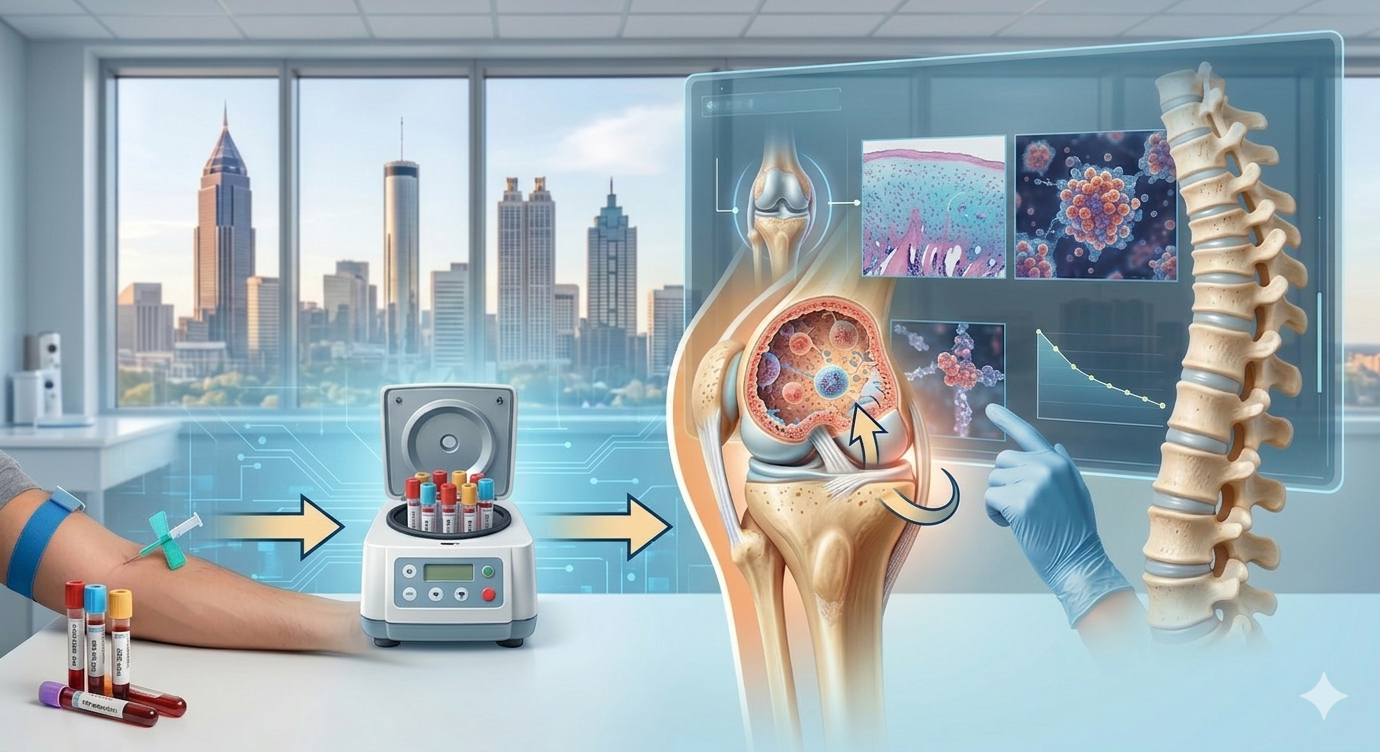
PRP, or platelet-rich plasma, is created from the patient's own blood. The sample is processed to concentrate platelets, which contain growth factors involved in repair and recovery. In selected lumbar cases, PRP may be part of a non-surgical strategy aimed at reducing inflammation and supporting healing.
The important point is that PRP is not the treatment plan by itself. It is one tool within the treatment plan. It must match the diagnosis. A patient with disc-related leg pain is different from a patient whose pain is mainly muscular. A patient with chronic low back pain after years of overload is different from a patient with a more recent injury pattern.
What more than one injection really means
When patients hear that a second injection may be needed, some assume the first one failed. That is not always true. In many chronic pain conditions, treatment can be cumulative. The first intervention may reduce irritability, improve motion, and decrease inflammation. The second step may then build on that early change and create a stronger overall response.
This is not unusual in medicine. Rehabilitation itself works in stages. Strength does not come back in one session. Tissue healing does not happen in one day. In the same way, some patients respond best when treatment is planned as a sequence rather than a single event.
Why follow-up matters
One of the biggest mistakes in chronic pain care is assuming the job is done right after the procedure. Good follow-up matters because it helps answer: Did the first treatment help? Which symptom improved? Which symptom did not change? Is the pain more centralized or less intense? Is motion better? Is walking, standing, or sleeping easier? Does the patient need more rehab, more time, or another procedural step?
These questions guide whether a patient should wait, progress therapy, or consider a second-stage approach.
Lower back pain treatment is not one-size-fits-all
Some patients do improve substantially after one well-chosen intervention. Others need a broader plan. That plan may include physical therapy, activity modification, image-guided procedures, treatment for radiculopathy or nerve irritation, treatment of myofascial contributors, regenerative treatment such as PRP in selected cases, and staged follow-up and reassessment.
The point is not to do more treatment for the sake of doing more. The point is to treat the condition as it actually exists.
What patients really want to know
Most patients are not asking whether a treatment is elegant or cutting-edge. They want to know whether they can stand longer, sit without severe pain, sleep through the night, walk without leg pain, lift and bend more normally, and avoid surgery if possible. Those are functional goals, and they guide how ATL Regen thinks about lumbar treatment success.
Why imaging still needs context
Lumbar MRI findings can be useful, but they do not automatically determine the right treatment. Many adults have bulges, degeneration, or stenotic changes on imaging. Some have major symptoms with modest imaging findings. Others have dramatic scans but only limited symptoms.
That is why ATL Regen evaluates the pain pattern, neurologic symptoms, physical exam, and imaging together. The best treatment plan is built from correlation, not from one piece of data alone.
When staged treatment is worth discussing
A staged approach may be worth considering when pain has been chronic for a long time, there is partial but incomplete response to the first step, radicular symptoms persist, there are overlapping pain generators, function is improving but not enough, or the patient wants to continue exploring non-surgical options.
This does not mean surgery is off the table forever. It means the patient deserves a careful look at whether additional non-surgical progress is still possible.
Why patients choose ATL Regen for lumbar care
Patients choose ATL Regen because they want more than a generic back pain label. They want a thoughtful evaluation of whether the pain is primarily disc-related, nerve-related, joint-related, soft tissue-related, or mixed. They want to understand whether PRP makes sense, whether the treatment should be staged, and whether non-surgical care is still a realistic path.
Schedule a consultation
If you have chronic lower back pain or sciatica and want to understand whether a staged non-surgical treatment plan may help, ATL Regen can evaluate your symptoms and discuss whether PRP or another image-guided option fits your condition.
A consultation is the best place to decide whether one step is enough, or whether your lumbar pain needs a more deliberate plan.