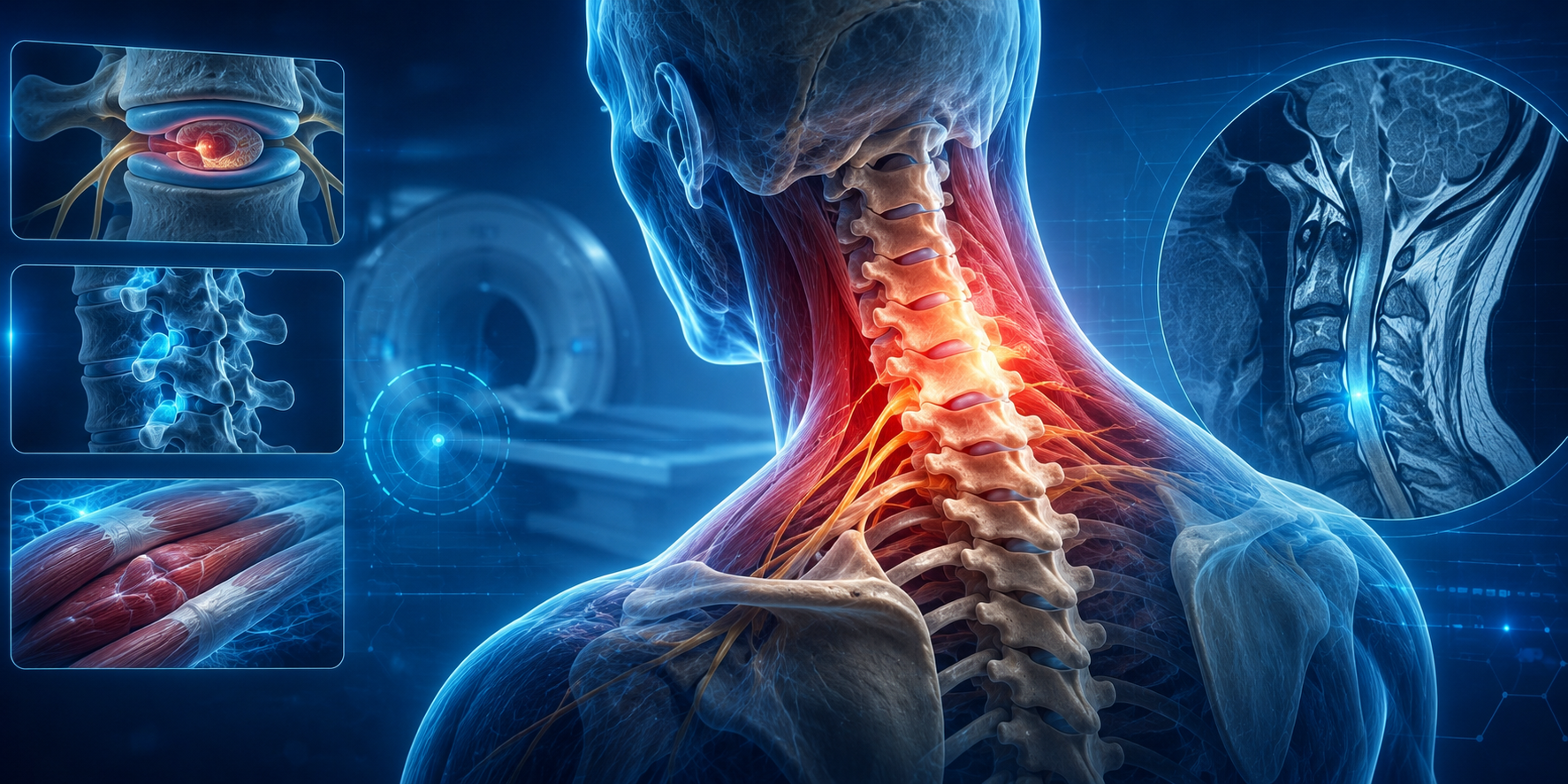
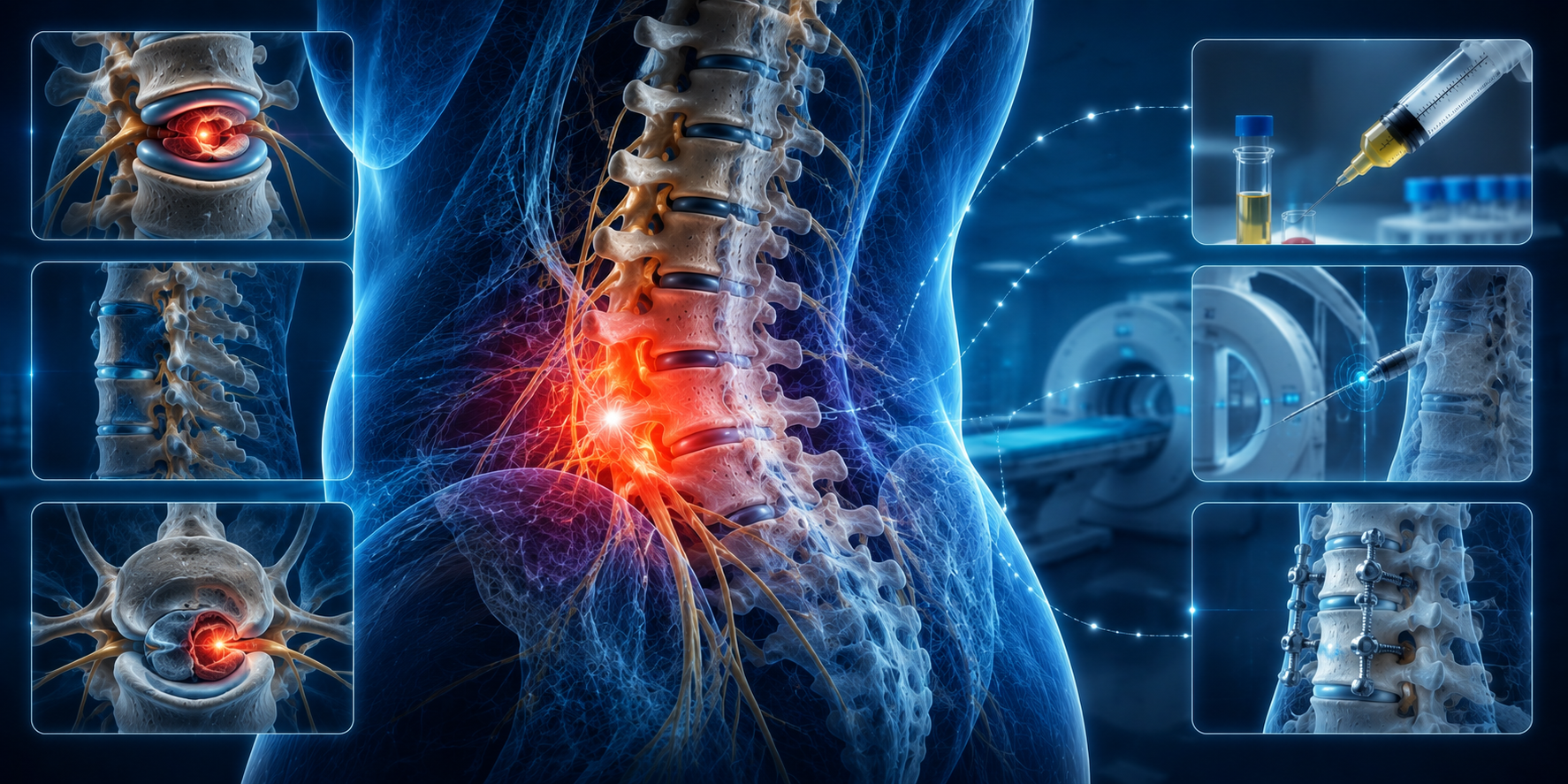
For patients with chronic lower back pain or sciatica, surgery can feel like the last remaining option. After trying medication, therapy, rest, and repeated flare management, many patients are told that a lumbar procedure may be the next logical step. Sometimes that is true. But before moving toward spine surgery, it is worth understanding a difficult reality: surgery does not guarantee pain relief.
One of the reasons patients seek second opinions is concern about Failed Back Surgery Syndrome, often shortened to FBSS. The term refers to persistent or recurring pain after spinal surgery. It does not mean the patient did something wrong. It means that despite the operation, the pain problem did not resolve the way the patient hoped.
At ATL Regen, we help patients think through whether surgery is truly the right next step, and whether non-surgical spine treatment may still be appropriate first.
What Failed Back Surgery Syndrome means
FBSS is not one single diagnosis. It is a broad term describing persistent pain after back surgery. The pain may remain in the low back, continue down the leg, return after an initial improvement, or even present in a new pattern because of scar tissue, ongoing nerve irritation, adjacent-level stress, or a pain generator that was never fully addressed in the first place.
The most important point is this: surgery can fix certain structural problems, but not every pain problem is purely structural.
Why surgery does not always solve chronic lumbar pain
There are several reasons surgery may not fully solve a patient's symptoms. If the main problem is not the structure being operated on, the patient may still hurt afterward. A patient may also have disc-related pain, radicular symptoms, facet pain, and muscular guarding at the same time. Fixing one layer may not solve the entire clinical picture.
Long-standing pain can involve sensitization, guarding, and compensation that do not disappear immediately after surgery. Even when a procedure is technically successful, altered mechanics may increase stress at nearby levels over time.
Who should take FBSS seriously before surgery?
Any patient considering lumbar surgery should understand the possibility of persistent pain afterward, especially if pain has lasted a long time, the symptoms are mixed and not clearly explained by one structural finding, imaging and symptoms do not correlate perfectly, prior conservative care was incomplete or poorly targeted, there is significant myofascial or functional overlay, or the patient has already had one back surgery and is considering another.
Patients do not need to be scared out of surgery. They need to be informed enough to make the decision wisely.
When surgery is still the right answer
There are absolutely cases where surgery is appropriate. Significant neurologic deficit, progressive weakness, severe compression, instability, and certain structural failures may all warrant surgical evaluation. ATL Regen is not anti-surgery. The issue is whether it is the right next step for a specific patient at a specific time.
A patient with clear red-flag findings should not be falsely reassured into avoiding needed surgical care. But a patient without those findings may deserve a deeper look at whether non-surgical options remain.
Spinal surgery alternatives
For selected patients, spinal surgery alternatives may include focused physical therapy, activity modification and loading changes, image-guided interventional treatment, treatment of lumbar radiculopathy, treatment of facet or sacroiliac contributors, myofascial treatment, regenerative options such as PRP in selected cases, and a staged non-surgical recovery plan.
These approaches are not meant to replace surgery no matter what. They are meant to help determine whether improvement is still possible without immediately crossing into the operating room.
Why PRP comes up in this discussion
PRP is relevant because some patients exploring spinal surgery alternatives are looking for a biologic treatment that may help reduce inflammation and support healing in selected spine-related pain patterns. As with any treatment, the key is matching PRP to the diagnosis.
PRP is not a universal fix for chronic back pain, and ATL Regen does not present it that way. It is considered when the patient's symptoms, exam, imaging, and prior treatment history suggest it may fit within a reasonable non-surgical plan.
Questions to ask before spine surgery
Patients considering surgery should ask: What exact structure is believed to be causing the pain? How well does the imaging match the symptoms and exam? Are there other pain generators that surgery may not address? What non-surgical options have already been tried, and were they targeted correctly? What is the realistic goal of surgery: full relief, leg-pain reduction, stabilization, or prevention of neurologic decline?
These questions do not delay care. They improve clarity.
Why second opinions matter
Many patients feel rushed once surgery becomes part of the conversation. They worry that if they do not schedule quickly, they are ignoring the only path forward. A second opinion can help slow the decision down enough to make sure the reasoning is solid.
At ATL Regen, second opinions are often valuable for patients who have chronic lumbar pain but no progressive neurologic loss, have had one surgery already and do not want another unless clearly necessary, are unsure whether their pain is primarily back pain, leg pain, or mixed pain, or want to understand whether image-guided or regenerative care still has a role.
What ATL Regen focuses on
ATL Regen focuses on identifying the actual pain generator and building a plan around function, not fear. For some patients, that means confirming the need for surgery. For others, it means exploring a non-surgical route more thoughtfully. The value is not in steering every patient toward the same answer. The value is in finding the right answer.
Schedule a consultation
If you are considering spine surgery, worried about Failed Back Surgery Syndrome, or looking for a better understanding of whether non-surgical treatment still makes sense, ATL Regen can help evaluate your condition.
A consultation can clarify what is driving the pain, what surgery may or may not solve, and whether there is still room for a non-surgical plan before committing to an operation.