Many patients come to ATL Regen after months of uncertainty. They may have tried physical therapy, medication, chiropractic care, injections, or simple rest without getting a clear answer. Some have already seen multiple providers. Others have imaging but do not understand what it really means. By the time they book a consultation, they are usually asking the same question: What happens now?
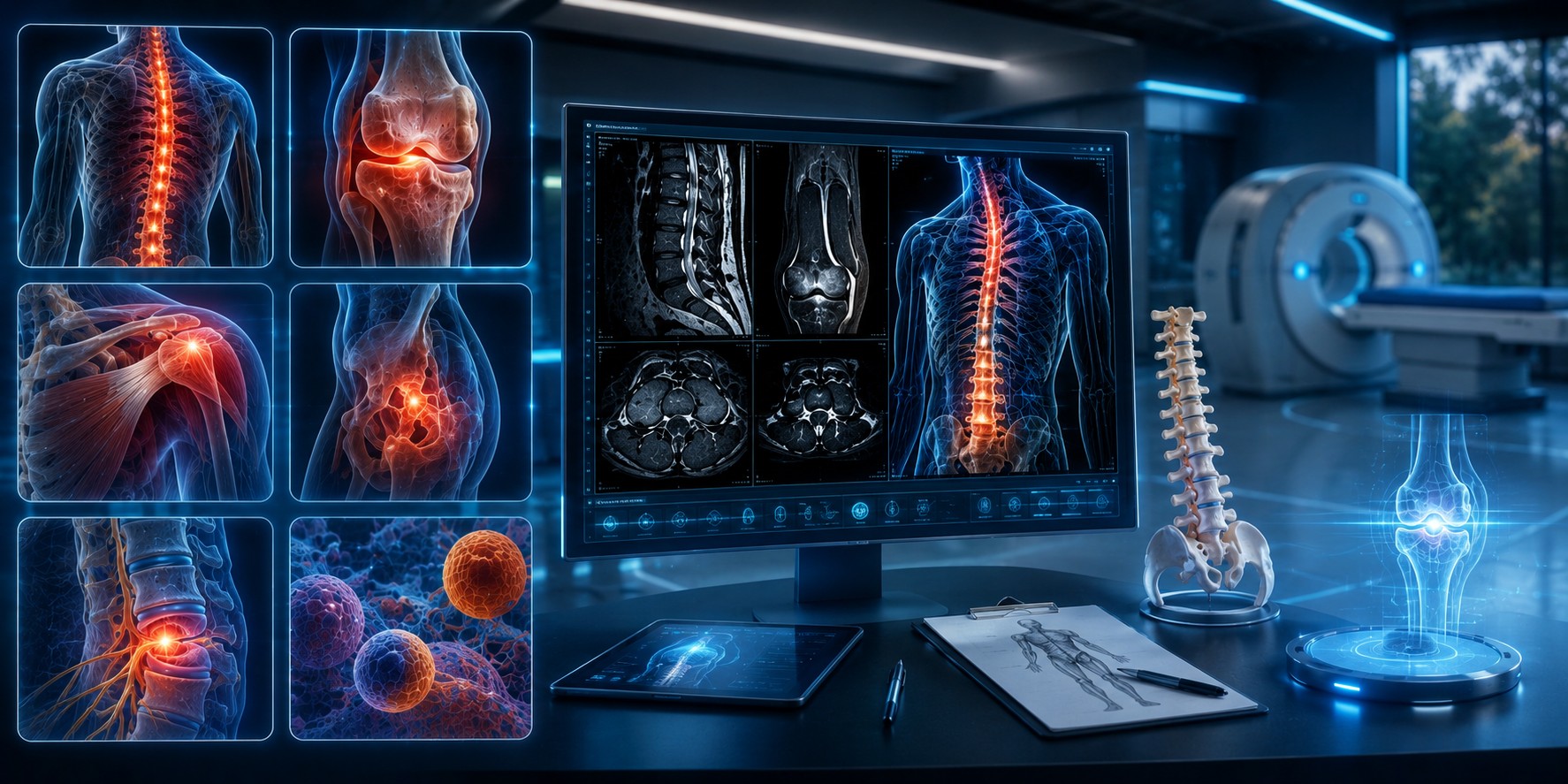
At ATL Regen, the first visit is designed to create clarity. The goal is not to rush you into a procedure. The goal is to understand what is causing the pain, review what has already happened, connect symptoms to imaging when possible, and determine whether non-surgical treatment makes sense.
The purpose of the first visit
A consultation should answer a few essential questions: What is the most likely pain generator? Does the imaging match the symptoms? What has already been tried? Are there non-surgical options worth considering? Does the patient need additional imaging, conservative care, image-guided treatment, regenerative treatment, or surgical evaluation?
If a visit does not improve clarity, it is not doing enough.
What to bring to your consultation
To make the visit as useful as possible, patients should bring or be ready to discuss where the pain is located, when it started, whether it followed a sudden injury or overuse, what makes it worse, what makes it better, prior treatment history, outside imaging or reports, medication use, and work, sport, or activity goals.
Patients do not need to arrive with a perfect summary. But the more complete the story, the more precise the evaluation can be.
What happens during the visit
The visit includes history review, physical examination, imaging review when available, and diagnostic reasoning. The details matter. Is the pain sharp, burning, aching, or radiating? Is there numbness or weakness? Does it worsen with sitting, lifting, reaching, walking, or sleeping? Is it stable, worsening, or fluctuating?
The physical exam helps identify what movements reproduce symptoms, what structures may be involved, and whether there are neurologic or functional deficits. Depending on the condition, the visit may include assessment of range of motion, strength, reflexes, tenderness, gait, posture, and provocative testing.
What the consultation is not
Patients sometimes worry that the visit will feel like a sales appointment. At ATL Regen, the consultation is not supposed to be a pressure-filled pitch for a single treatment. It is meant to be a diagnostic and strategic conversation.
That means the outcome of the visit may be that PRP is appropriate, another image-guided procedure makes more sense, more conservative care is the best next step, more imaging is needed, or surgical evaluation is appropriate. The value is in finding the right next step, not forcing the same next step on everyone.
When PRP may come up
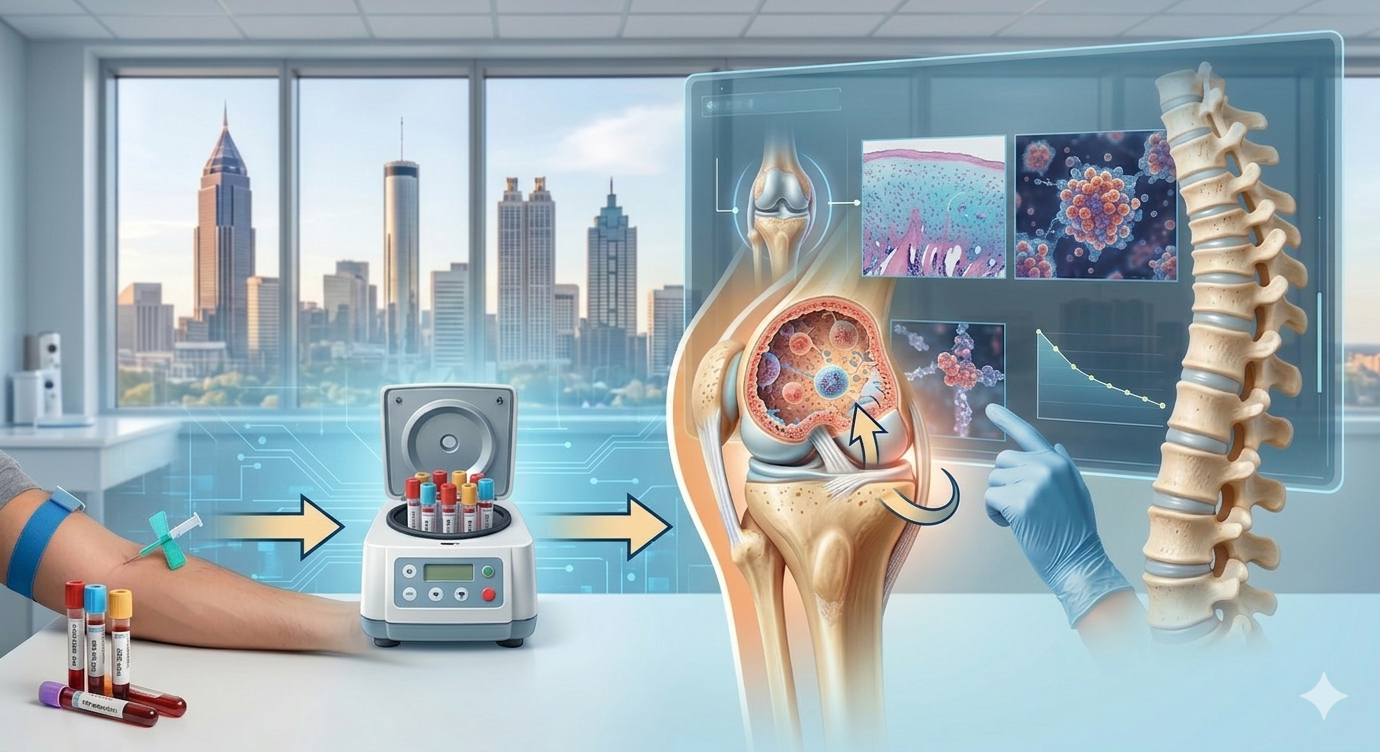
PRP is often part of the conversation because patients are specifically looking for a non-surgical option that may support healing in selected spine, joint, tendon, or soft tissue conditions. If PRP is discussed, the visit should explain what structure is being treated, why PRP may fit that diagnosis, what the goals are, what the recovery process may look like, and what alternatives exist.
This helps patients make informed decisions rather than chasing a buzzword.
Questions patients should ask
A good consultation is interactive. Patients should feel comfortable asking: What do you think is causing my pain? Does my imaging actually match my symptoms? What are my non-surgical options? What would make surgery more likely? What results are realistic for my condition? What would follow-up look like?
These questions usually lead to better decisions.
Why patients often feel relief after the first visit
Even when patients are not yet better, many feel relieved after a good consultation because they finally understand what may be happening. That clarity matters. Chronic pain becomes much less overwhelming when the patient has a likely diagnosis, a sense of whether the imaging matches, a list of realistic options, and an explanation of what to expect next.
What happens after the consultation
The next step depends on the diagnosis. Some patients move toward additional imaging. Some begin or resume conservative care. Some schedule an image-guided treatment. Some decide to pursue PRP. Some need referral elsewhere. The consultation is useful because it helps make that decision logically.
Why ATL Regen's consultation style matters
Patients choose ATL Regen because they want a careful evaluation rather than a one-line conclusion. They want someone to connect symptoms, function, imaging, and goals in a way that actually makes sense. That is especially helpful for patients who have already felt dismissed, rushed, or confused elsewhere.
Schedule your consultation
If you are ready to understand what may be causing your pain and what non-surgical treatment options may fit your condition, ATL Regen can help guide that process.
The first consultation is the best place to start when the goal is clarity, confidence, and a treatment plan built around diagnosis rather than guesswork.